Revision, Risks & Secondary Surgery Guide
Rhinoplasty can create meaningful changes, but it is important to understand that every nose has limits. Some patients explore revision surgery because they are unhappy with a previous result, while others want to better understand the possible risks before moving forward with a first procedure. This page is designed to give clear, balanced information about revision concerns, healing limitations, scar questions, and why careful planning matters.
When Revision Questions Come Up
Revision questions can come up at different stages. Some patients are researching after a previous rhinoplasty elsewhere. Others are preparing for surgery and want to understand what can and cannot be achieved. In many cases, concerns relate to breathing changes, asymmetry, visible irregularities, dissatisfaction with shape, or healing that did not go as expected. Knowing these possibilities ahead of time helps set realistic expectations and supports better decision-making.
Understanding Revision Rhinoplasty
Revision rhinoplasty is a secondary procedure performed to address concerns after a previous nose surgery. It is often more complex than primary rhinoplasty because the anatomy may already have been altered, scar tissue may be present, and available cartilage support may be limited. For this reason, revision surgery requires careful assessment, thoughtful planning, and a clear understanding of what improvement is possible.
Common Limitations to Understand
No surgery can guarantee perfection or complete symmetry. Skin thickness, healing patterns, scar formation, structural support, and a patient’s natural anatomy all influence the final result. In revision cases especially, there may be limits to how much change can be made safely. Understanding these limitations is an important part of making an informed decision and approaching surgery with realistic expectations.
Scar Considerations
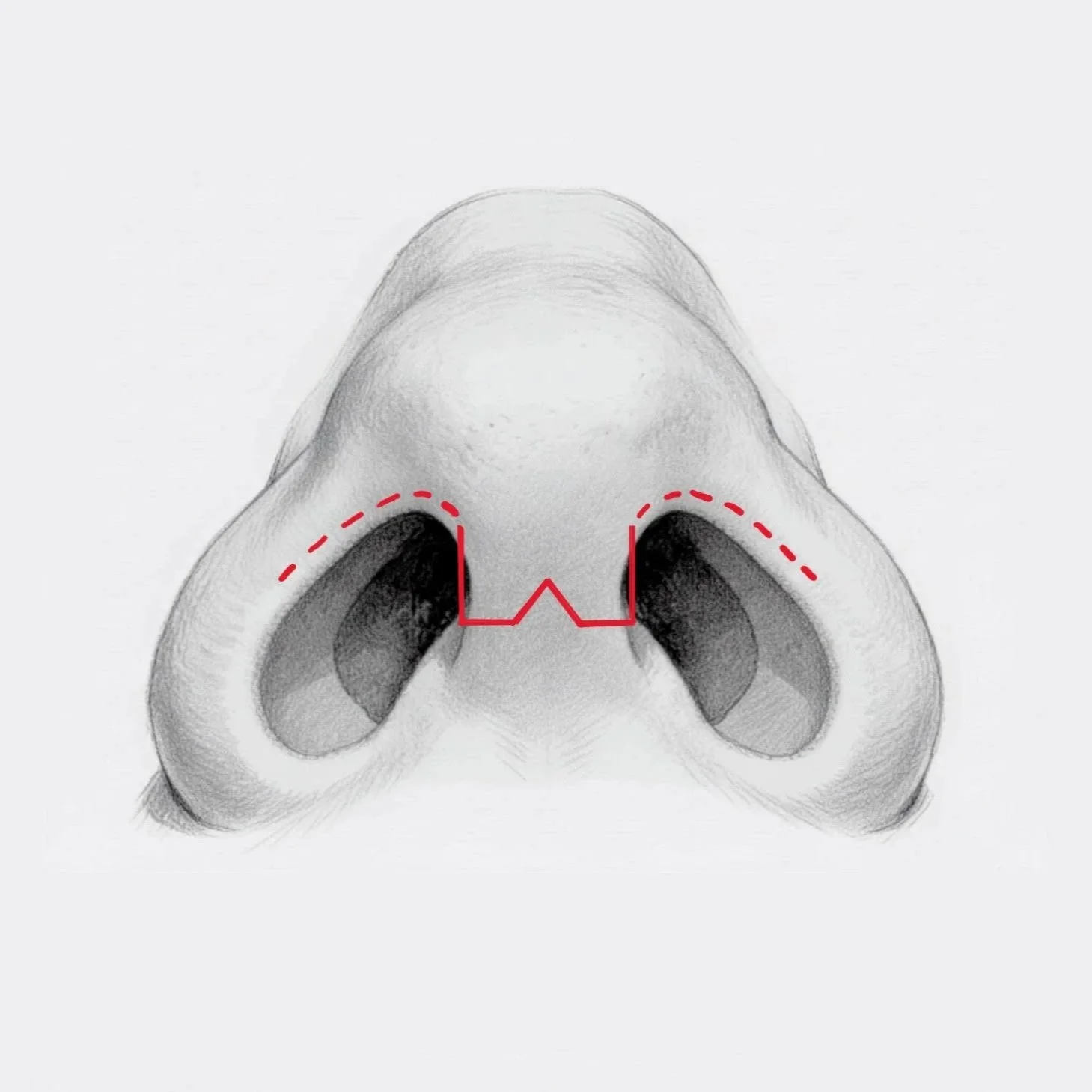
Patients often ask whether rhinoplasty leaves visible scars. In closed rhinoplasty, incisions are placed inside the nose. In open rhinoplasty, a small incision is placed across the columella, the strip of tissue between the nostrils. While this scar often heals very well, visibility can vary based on skin type, healing, and surgical technique. Scar tissue can also play a role internally, especially in revision cases, where it may affect both healing and surgical planning.
Risks to Be Aware Of
All surgery carries risk, and rhinoplasty is no exception. Possible concerns may include bleeding, infection, prolonged swelling, asymmetry, breathing changes, scar tissue, dissatisfaction with the cosmetic result, or the need for further revision. While many patients heal well, it is important to understand that recovery and final outcomes can vary from person to person. A well-informed patient is better prepared for both the process and the healing timeline.
Trend-Driven Decisions and Long-Term Thinking
Trends can influence how patients view facial features, but rhinoplasty should not be approached like a short-term style change. The nose plays a major role in both facial balance and breathing function, and decisions should be based on individual anatomy, long-term goals, and surgical safety rather than what is currently popular online. Thoughtful planning usually leads to results that feel more natural, balanced, and lasting.
Final Note
The information on this page is intended for general education only and should not replace individualized medical advice. The best way to understand your options, risks, and expected outcomes is through a personal consultation.
Learning Center