Rhinoplasty Techniques Guide
Rhinoplasty is not a single standardized operation.
Technique selection depends on:
Nasal anatomy
Breathing concerns
Skin thickness
Prior injury or surgery
The type of change desired
Some patients are well suited to preservation-focused approaches, while others benefit from structural techniques that reinforce support. Ultrasonic (piezoelectric) tools may also be used for precise bone work.
Key principle:
The best technique is the one that safely matches the patient’s anatomy and goals—not the one with the most recognizable name.
Preservation Rhinoplasty
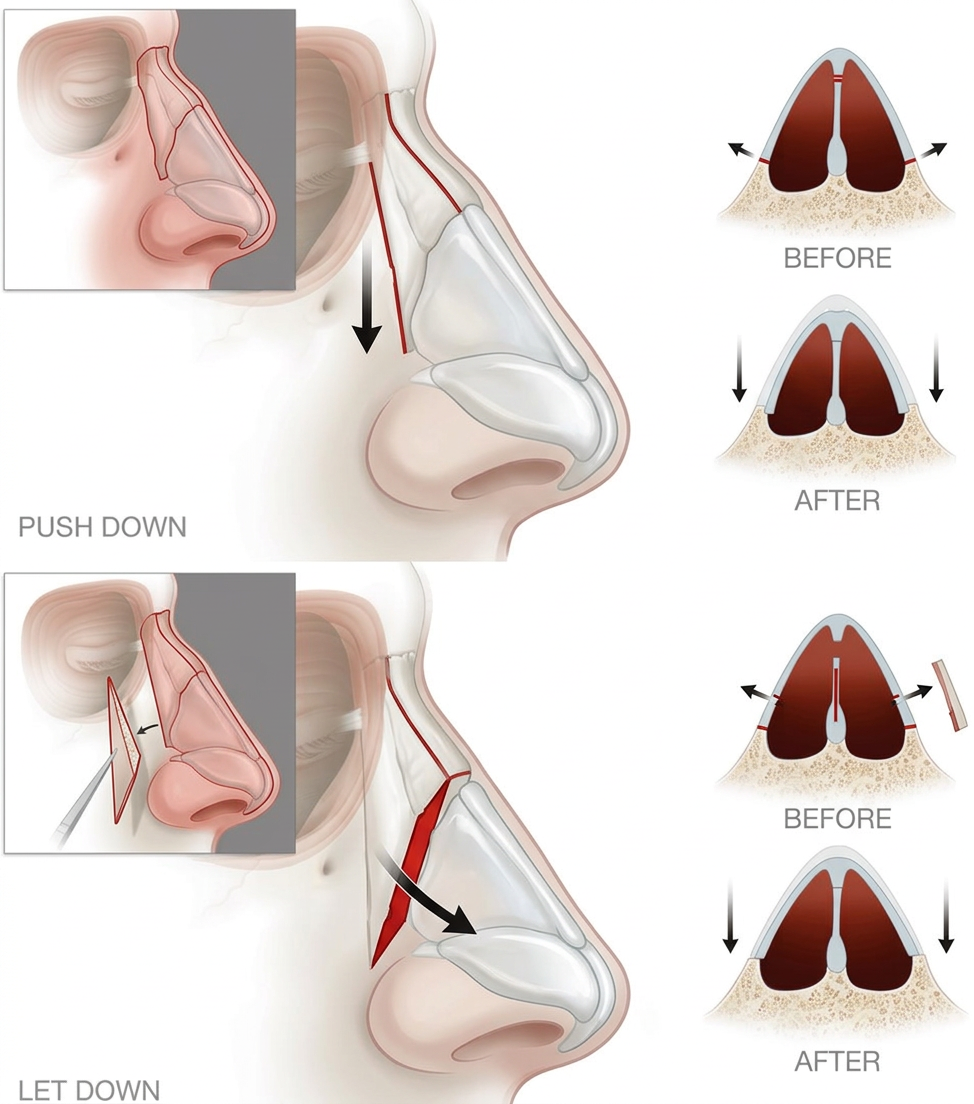
Preservation rhinoplasty aims to reshape the nose while maintaining as much of the natural structure as possible.
Rather than removing and rebuilding the bridge, the existing structure is repositioned.
For patients:
It can be an excellent option in selected cases
Especially when refinement is needed rather than major reconstruction
It is not appropriate for every nose and depends on individual anatomy.
Piezo / Ultrasonic Rhinoplasty
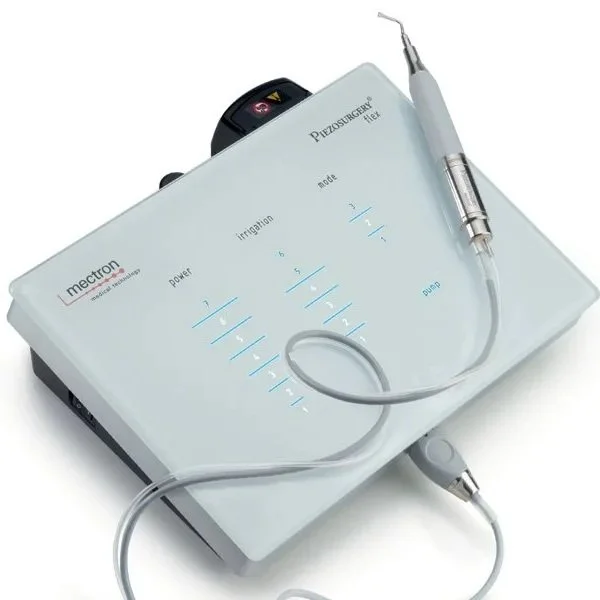
Piezo refers to the use of ultrasonic instruments for specific parts of surgery involving bone.
These tools:
Use ultrasonic energy
Allow controlled, precise bone shaping
For patients:
It is not a separate type of rhinoplasty
It is a tool used within surgery
Compared with traditional techniques, it can allow more precision and may reduce bruising and swelling in some cases.
Structural Support Rhinoplasty
Structural rhinoplasty focuses on building or reinforcing support so the nose maintains its shape and function over time.
This may involve:
Sutures
Cartilage grafts
Reinforcement of the bridge, mid-vault, or tip
It is particularly important when:
The nose is crooked
The structure is weak
There has been prior surgery
Airway function needs support
Spreader grafts are a well-established method for supporting the mid-vault and preserving the nasal airway.
Candidacy Considerations
Technique selection is individualized and depends on:
Dorsal shape
Nasal deviation
Airway function
Skin thickness
Prior trauma or surgery
Degree of change required
There is no single “best” technique for all patients.
Final point for patients:
You do not need to choose the technique yourself. The goal is to work with a surgeon who can assess your anatomy and explain which approach—or combination of approaches—will provide a stable, natural, and functional result.
Learning Center




Frequently Asked Questions
-
Dr. Oakley Smith specializes exclusively in rhinoplasty and septorhinoplasty, with a focus on both aesthetic and functional nasal surgery.
-
Getting started is simple. After researching Dr. Smith’s expertise and “Before and After” portfolio, reach out through our “Book a Consultation” form. We will walk you through the next steps to your in-person meeting with Dr.Oakly Smith and answer your questions along the way.
-
Yes, there is a non-refundable cosmetic consultation fee of $250, which is credited toward surgery, if you decide to proceed with Dr. Oakley Smith.
-
The initial consultation is booked for 40 minutes. It is a thorough, patient-focused, and no-pressure appointment. Dr.Smith will discuss your goals, examine nasal anatomy, prepare a 3D simulation of the changes and explain realistic outcomes and risks.
-
Yes, 3D Vector imaging is used to help visualize potential results during the planning process. These mock images are not a guarantee of the outcome.