Rhinoplasty Guides Hub
Thinking about rhinoplasty? This guide will help you understand what the procedure involves, what recovery can look like, and what to expect at each stage. Whether you are exploring cosmetic changes or functional concerns, the goal is to help you feel informed, prepared, and more confident about your next step.
-
Recovery
Learn what to expect after rhinoplasty, from the first few days of healing to the weeks ahead. Understand common side effects, downtime, and how recovery progresses over time.
-
Techniques
Discover the different rhinoplasty techniques used to reshape or refine the nose. This section explains common approaches and how treatment is tailored to each patient’s needs and goals.
-
Revision / Risks
Understand the possible risks of rhinoplasty and when revision surgery may be considered. This section helps you make a more informed decision with clear, straightforward information.
Learning Center

Before booking rhinoplasty, check your surgeon’s training, CPSO registration, and surgical facility. A step-by-step guide for patients in Toronto and Ontario.
Still blocked after allergy sprays? Enlarged turbinates may be the cause. Learn what turbinates do, why they swell, and how modern turbinate reduction preserves function.
Can rhinoplasty or septoplasty stop snoring or cure sleep apnea? Learn what the research shows about nasal surgery, CPAP comfort, and realistic expectations.
Too much nostril showing in profile? Learn the difference between a hanging columella and alar retraction, what is considered ideal, and how each is corrected.
Does your nasal tip pull down when you smile or talk? Learn how the depressor septi muscle causes it, and when Botox or rhinoplasty can correct it.
Booked your rhinoplasty? Here is what to stop, what to tell your surgeon, and how to set up your recovery in the weeks before surgery. A Toronto surgeon’s checklist.
Fullness above the tip or a V-shaped shadow on the bridge after rhinoplasty? Learn what causes pollybeak and inverted-V deformities and how each is treated.
A scooped or low nasal bridge can be rebuilt. Learn what causes a saddle nose, how cartilage augmentation works, and why implants are not always the best choice.
Broke your nose? Learn the two-week window for resetting nasal bones, warning signs like septal hematoma, and when rhinoplasty is the better long-term fix.
Wide nostrils or flaring? Learn how alar base reduction works, who it suits, and why tip changes affect nostril width. Insight from a Toronto rhinoplasty surgeon.
No two noses are built alike. Learn how skin thickness, bone and cartilage strength, and individual anatomy shape a personalized rhinoplasty plan.
Noticing your nose change with age? Learn about tip droop and skin thinning, and how to tell normal aging from a problem with a past rhinoplasty.
Tip refinement isn't about cutting cartilage away. Learn how cartilage support and skin thickness shape a refined, lasting nasal tip.
Is now the right time for rhinoplasty? Dr. Oakley Smith explains the signs of readiness, realistic expectations, and the medical timing rules he follows.
A beautiful nose also has to breathe well. Dr. Oakley Smith explains why the septum and nasal valves matter in every cosmetic rhinoplasty.
Steroid and filler injections can refine rhinoplasty healing when used selectively. Learn the difference and when each is appropriate.
Hyperbaric oxygen treatment may support healing in select revision rhinoplasty cases. Learn how it works and when it's considered.
Gentle nasal exercises can help support a narrow bridge after rhinoplasty. Learn when and how surgeons recommend them.
Taping after rhinoplasty helps control swelling and support skin healing. Learn why it's used, how it's done, and what to watch for.
Skin changes like swelling, numbness, and firmness are a normal part of rhinoplasty healing. Learn what to expect and when to call your surgeon.
What should you ask before rhinoplasty? Learn the priorities, history, and questions that lead to a more informed, realistic surgical decision.
3D imaging helps patients and surgeons discuss rhinoplasty goals, but it's a planning tool, not a guarantee. Learn how simulations are used responsibly.
Skin thickness affects how a rhinoplasty result looks and how fast it settles. Learn how thin vs. thick skin changes surgical planning and healing time.
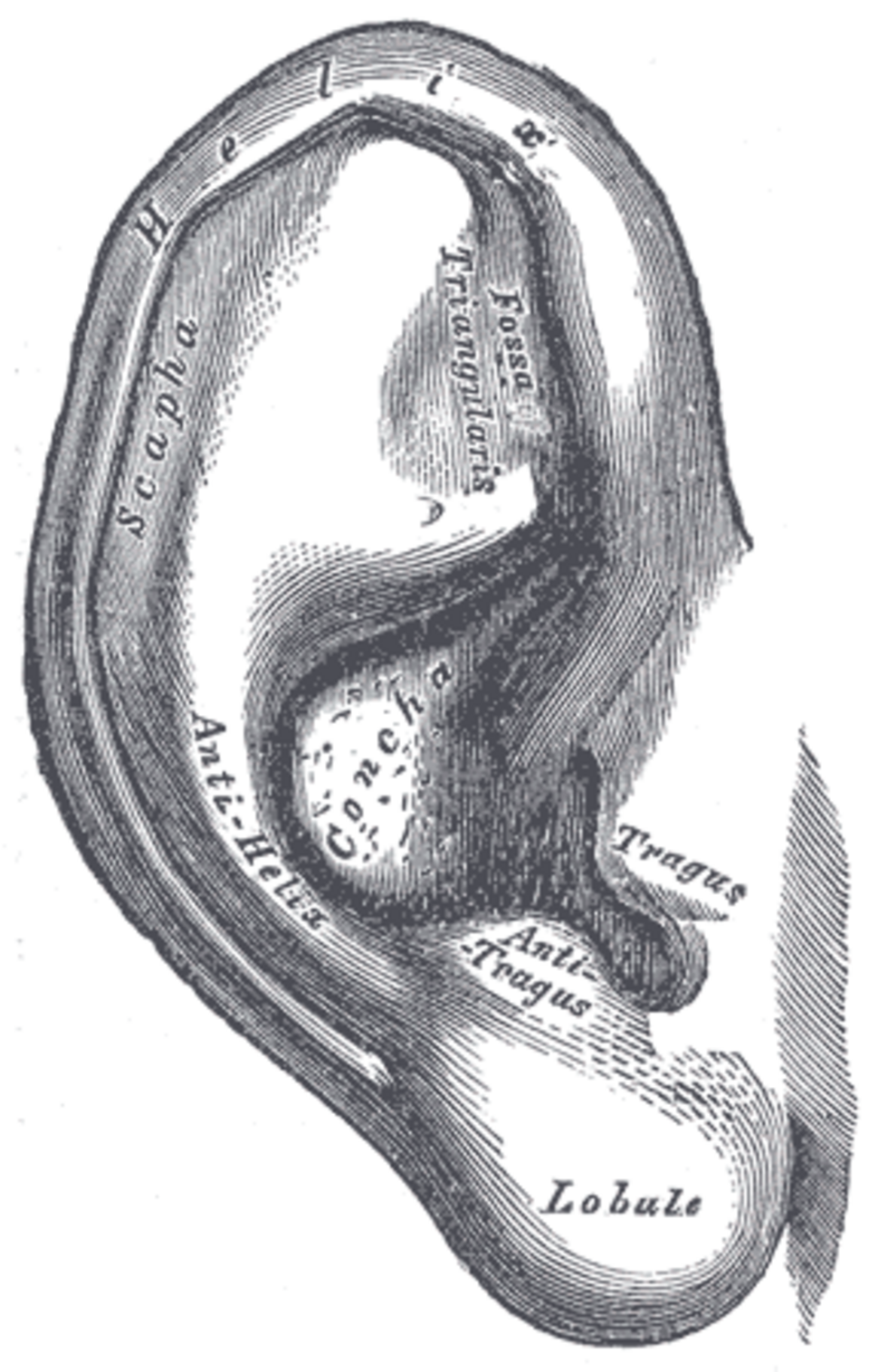
Cartilage grafts help rebuild, support, and refine the nose. Learn why surgeons use them and how septum, ear, and rib cartilage each play a different role.
Persistent nasal blockage after rhinoplasty isn't always swelling — it can signal nasal valve collapse. Learn the difference and how it's diagnosed and treated.
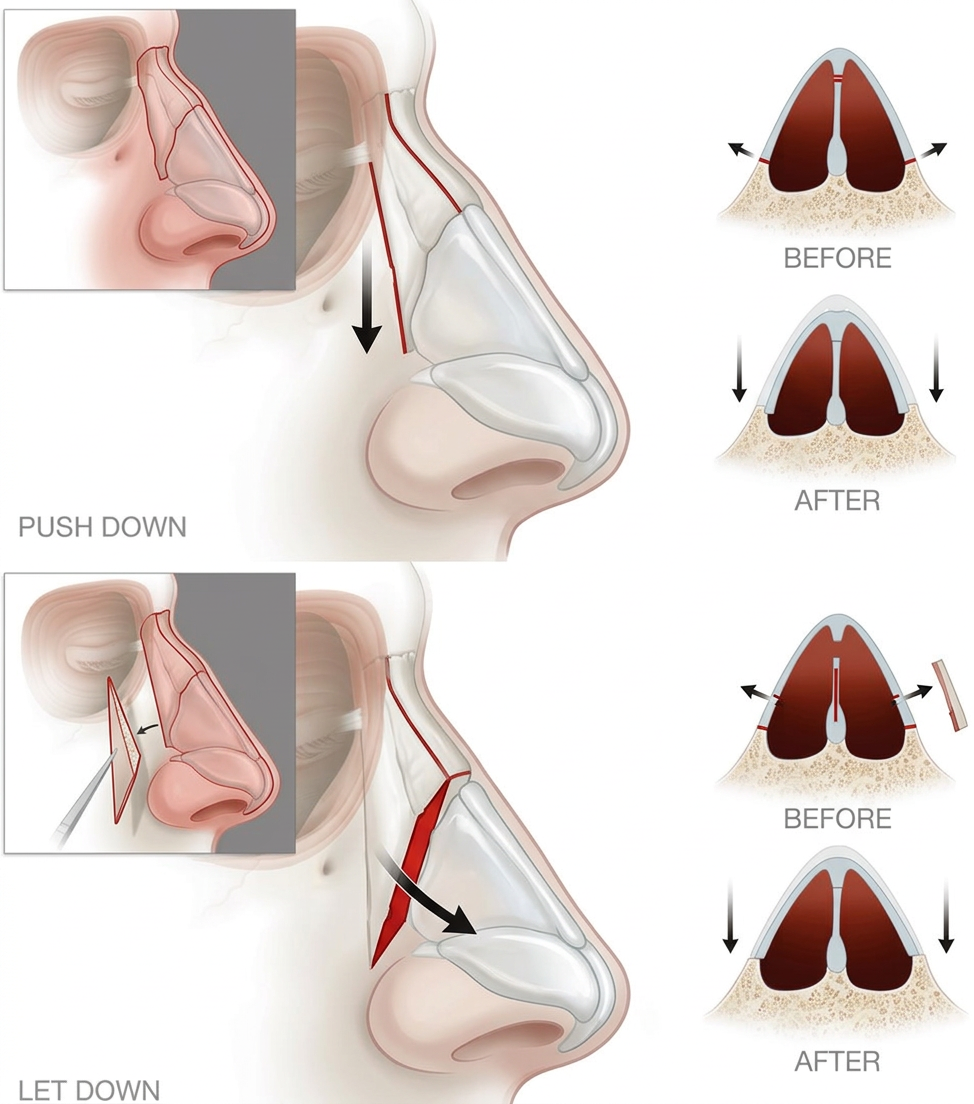
Preservation rhinoplasty is often talked about as a new technique, but the idea is actually over 100 years old.
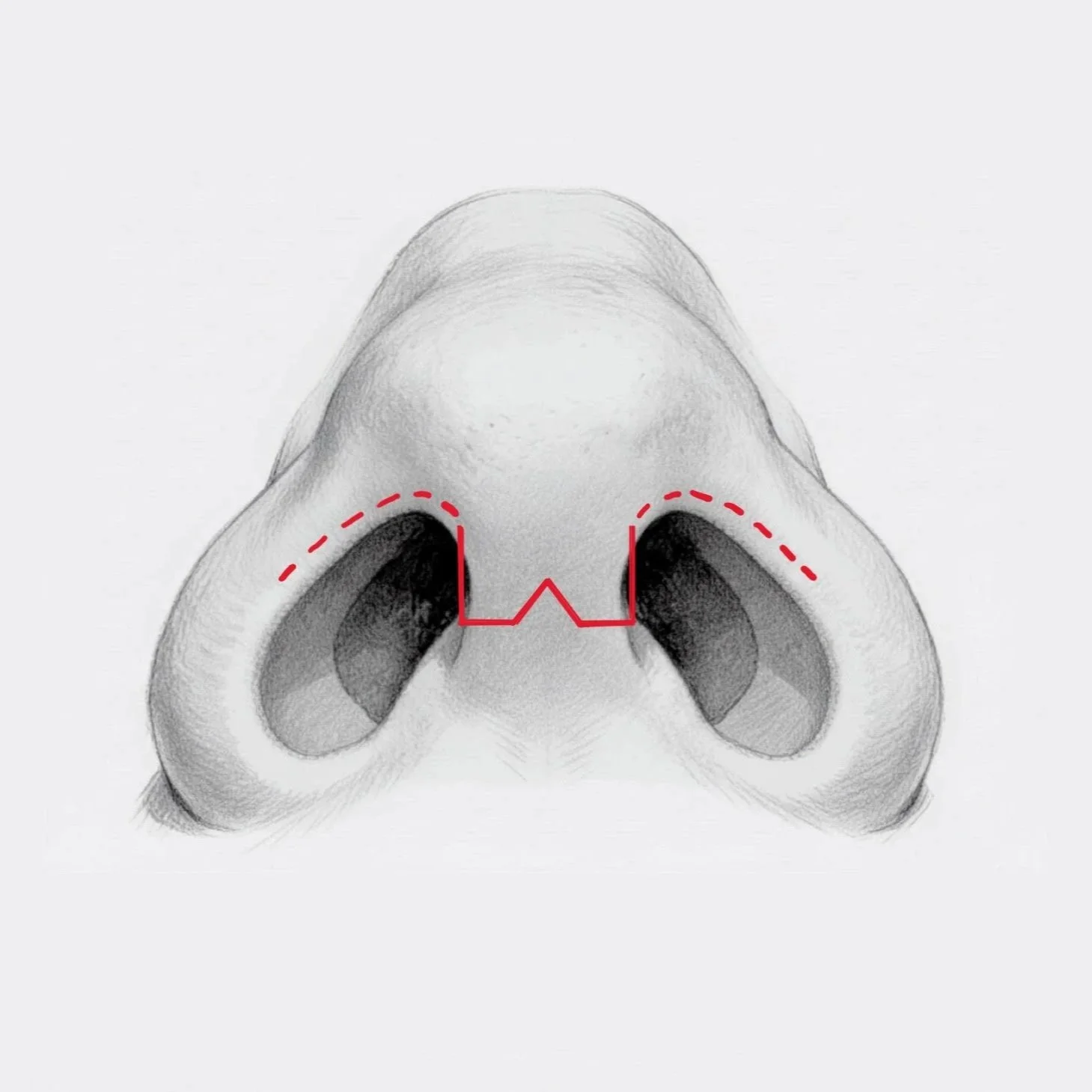
When considering rhinoplasty, many patients are curious about where the incisions will be placed and how they will heal. There are two primary types of external incisions used to achieve a balanced, beautiful result.
As demand for social-media-driven results has increased, so too has the number of patientsseeking revision surgery. Many show up after procedures often performed abroad where long-term structural considerations were underestimated.
Undergoing rhinoplasty is a significant step toward achieving your aesthetic and functional goals. However, the surgery is only the first phase; your commitment to post-operative care, the “second surgery”, is vital to ensuring an optimal result.
Let’s be honest: there are some smells most of us can do without, right? You are probably thinking of them right now. But other smells give us such pleasure. There is nothing better than the smell of roses in the spring, your first cup of coffee in the morning to get you going, or a certain smell that brings back a wonderful memory from the past.
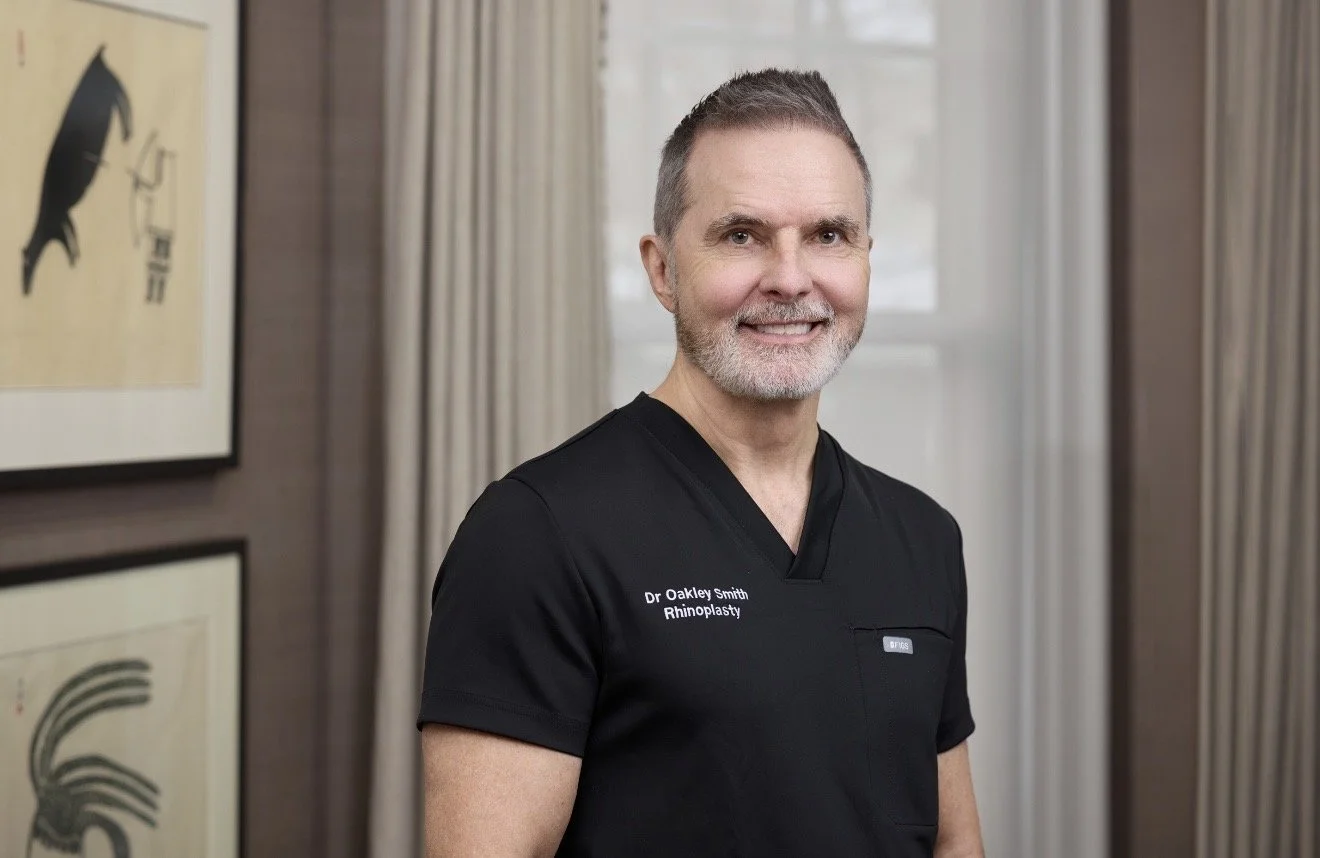
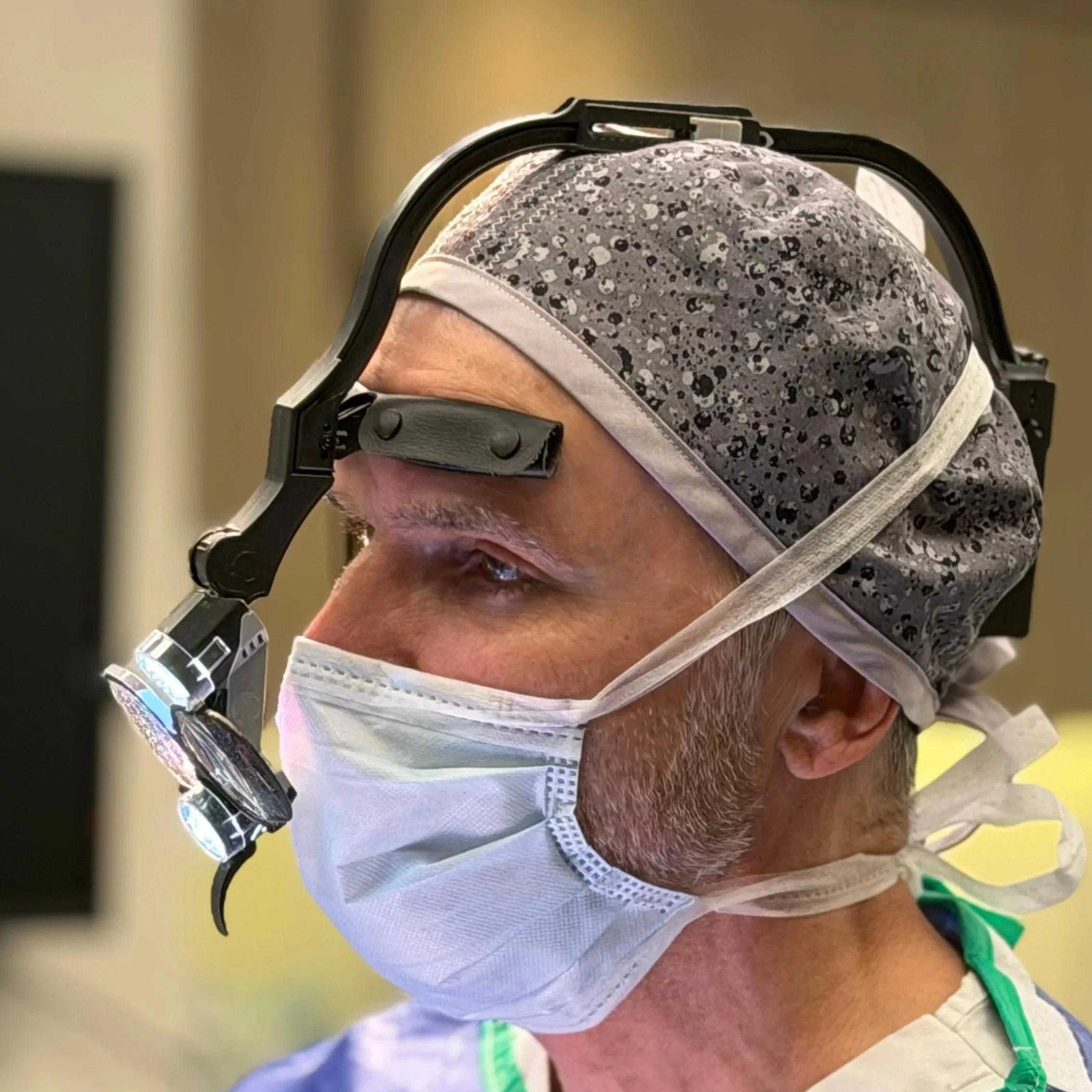
Meet Dr. Oakley Smith
Choosing a rhinoplasty surgeon is a big decision. Learn more about Dr. Smith’s experience, approach, and commitment to personalized care so you can feel confident in your next step.